Categories: Watercolor Lessons , Preparing for Painting , Beginner Techniques
1. Brushes
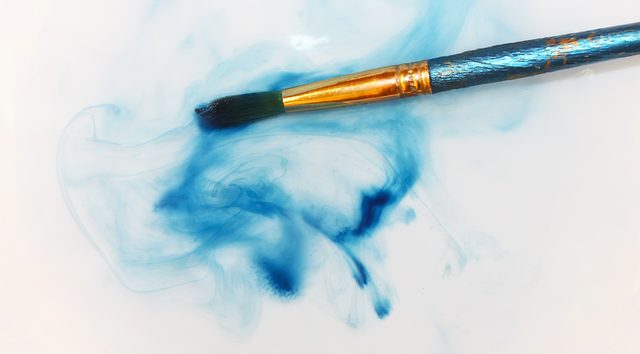
If you can afford only one brush, buy a #8 round red sable watercolor brush. Otherwise, buy the best synthetic or synthetic-blend brush you can find. Adding a round #4 and a 1″ flat would come in handy for detail work and large washes. Most manufacturers have starter sets that contain very usable equivalents.
Here is a link to our recommended watercolor painting supplies page. Please take a good look at the supplies page, you will find there recommended brushes, paints, paper, and more. Just keep scrolling.
2. Paint
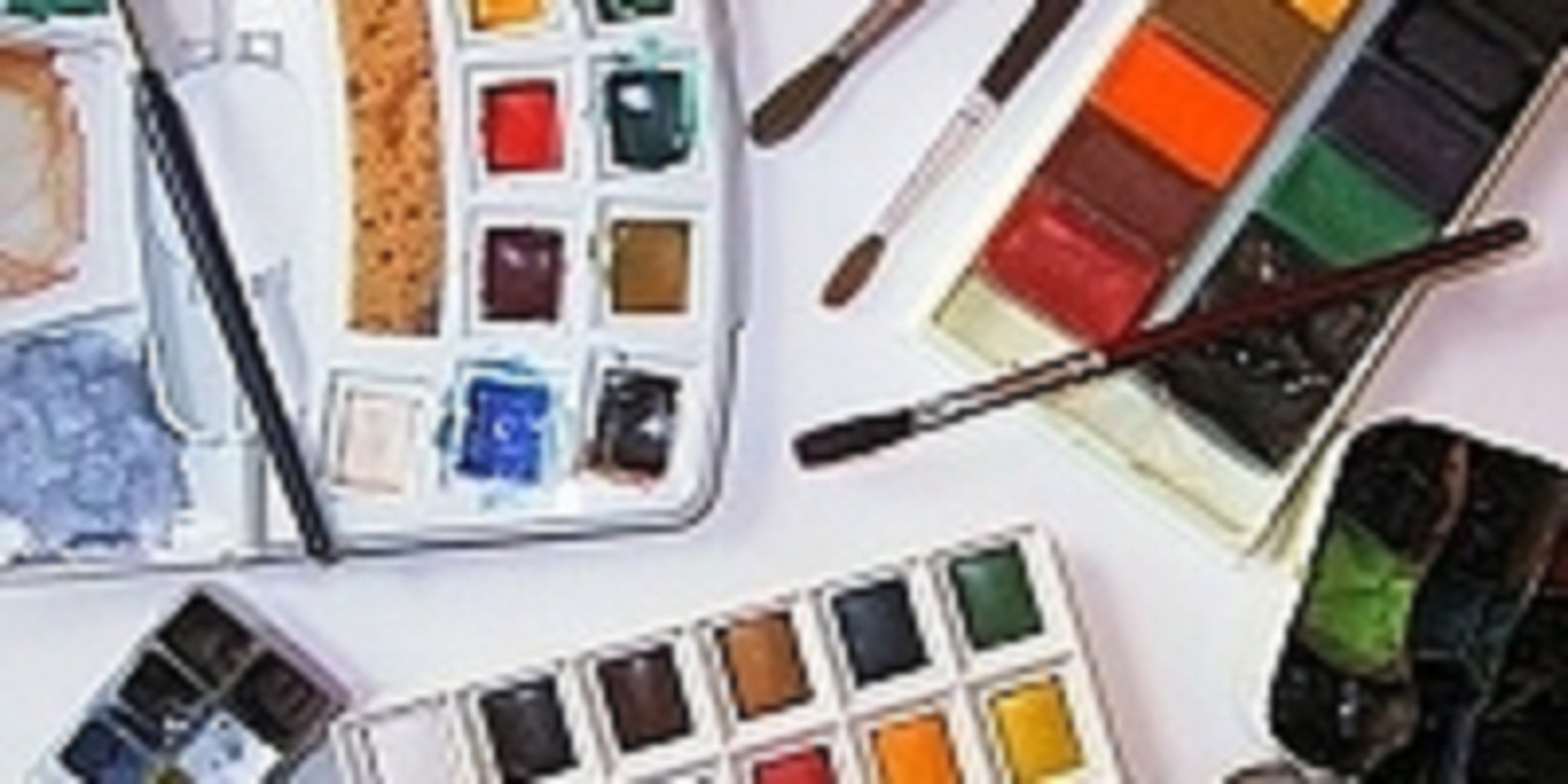
Select a set of watercolor paints. You can see some sets on the supplies page, but if you want to choose individual paint tubes, here is what I recommend.
The 12 colors shown below are a great start for most people.
Most sets have a good selection of basic colors you’ll need for transparent watercolor painting. Rarely use the white paint that is included in most cake or tube color sets, as it’s opaque. Its use will change your watercolor paintings into gouache paintings. Gouache, or opaque watercolor, is a distinctly different category and approach to painting. If you prefer tubes, pre-packaged tube sets will also give you a good starter selection of colors for watercolor painting.
Start by using brand-name “academic” or “student” grade watercolors until you can commit your resources to buying “artist” grade watercolor supplies.
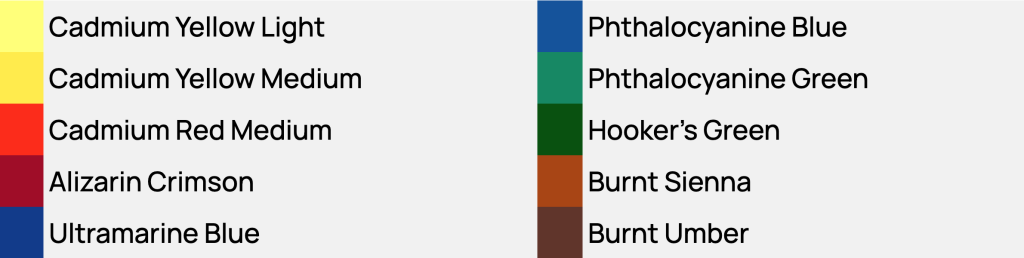
This selection is a bright balanced palette of warm and cool colors containing pure transparent and semi-transparent organic and inorganic pigments. My personal palette contains 8 additional colors.
You’ll fill in the gaps and find your own favorites as you try new colors and explore watercolor painting.
3. Paper
Here are the two most important things about watercolor paper: composition and weight.
When you are just practicing, you can compromise on weight a bit as long as you use paper that is 100% cotton. You can practice your brushwork on cellulose paper, but you will never be able to make the characteristic watercolor blooms and blends properly as long as the paper contains any cellulose.
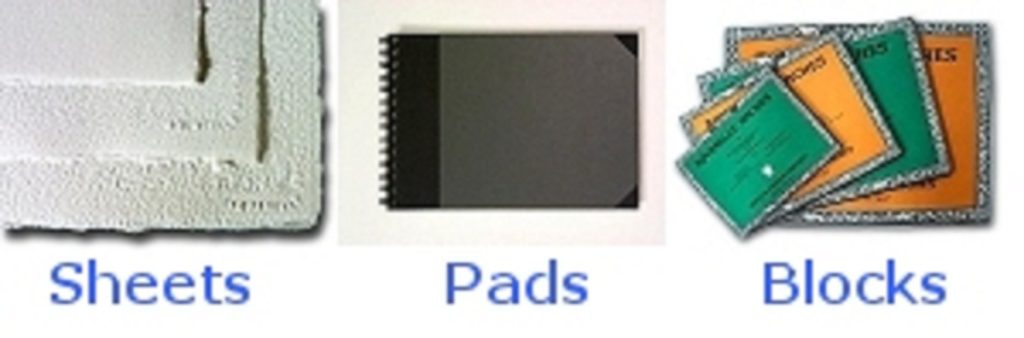
I recommend you use any watercolor pad, block, or loose paper with a weight of 140lb (300gsm) or higher… painting on paper that is 280lb (600 gsm) is very, very nice.
The heavier the paper, the less likely you’ll have to deal with the warping of the damp paper while painting.
If you choose sheets I recommend larger ones because you can always cut them in half or quarters for smaller paintings.
For practice drawings, you can find a serviceable beginner’s watercolor pad near the Crayola rack at your local drugstore.
Try different surface textures to find your favorite.
4. Palette
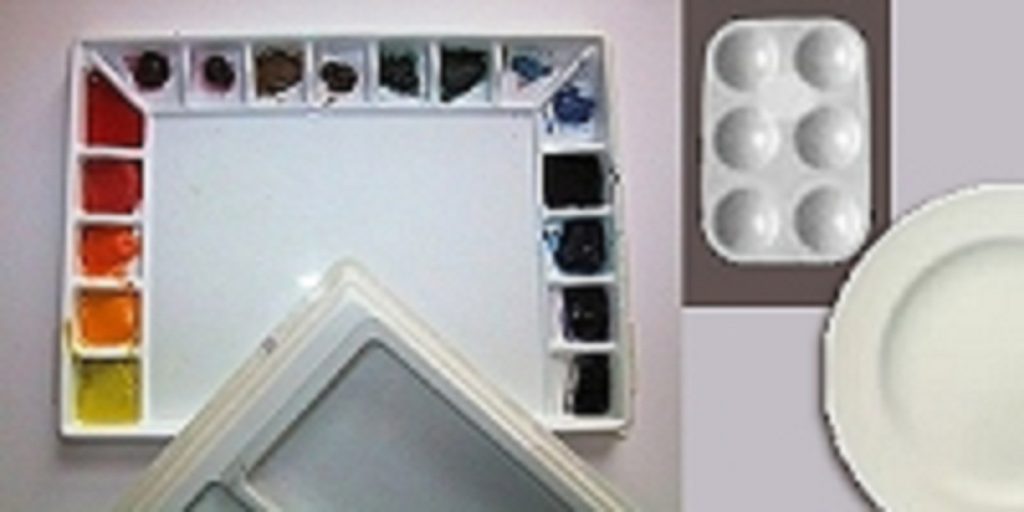
Cake and pan watercolor sets usually have built-in fold out palettes that are useable in varying degrees depending on their size and orientation.
For your tube watercolors, you can use a flat white dinner plate or buy some inexpensive 6 or more welled plastic palettes like the ones you used in grade school for your tempera paints. A covered plastic palette makes for the least waste and most convenience if you are using tube watercolors. If you’re getting serious, you can try a metal-covered palette (if you like to paint outside) or a porcelain one (heavier, but lasts forever).
5. Water
At the beginning you can just find a glass, or jar, or small bucket to hold fresh, clean water.
Use two if possible. One for rinsing your brush between colors, and one for clean water for painting. Tap water is usually fine. Hard water decreases paint solubility and flow. Overly softened water acts as a wetting agent and increases paint solubility and flow. If you’re concerned, use bottled water.
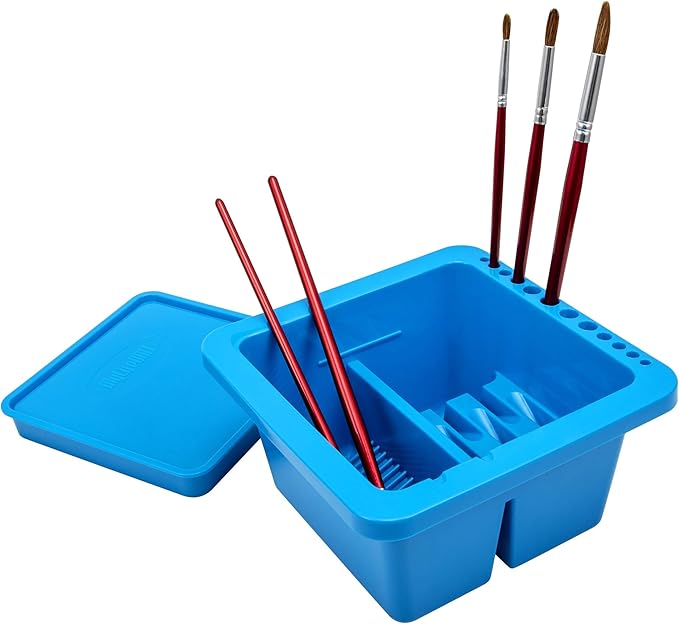
If you want to get a little more fancy, you can get a dedicated watercolor water container like this one. It has three different water wells, brush rests and drying spots for brushes. You can find this watercolor pot on the watercolor painting supplies page too.
6. Extras
A few more odds ‘n’ ends will round out your kit.
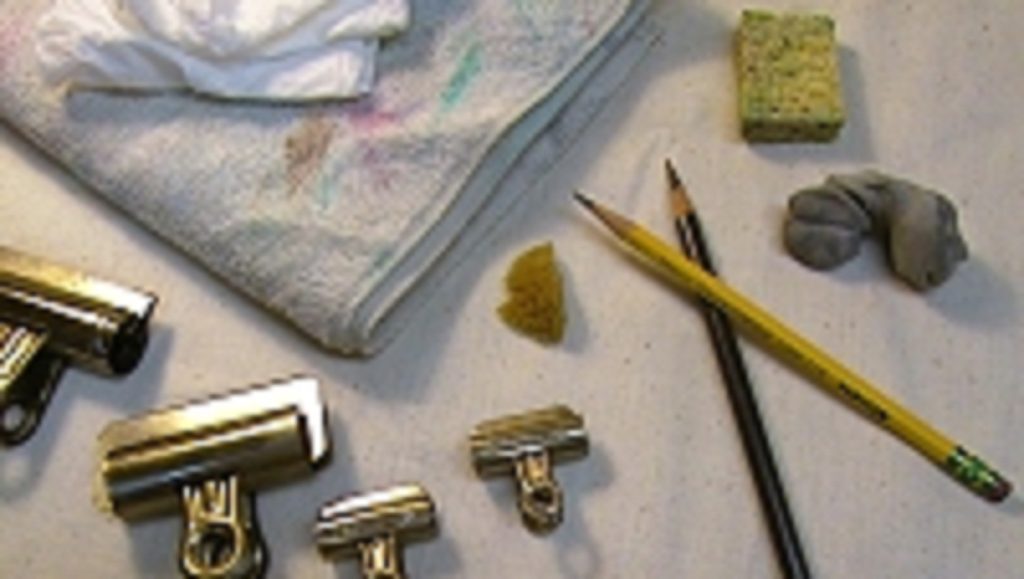
A pencil, a kneaded eraser, some tissues, and an old rag or paper towels, and a couple of large metal clips for holding your watercolor paper to a board. Voila!
That’s all you need to start your adventures in watercolor painting.
If you find yourself creating world-class masterpieces, immediately upgrade your paints to artist-grade and your paper to the 100% cotton archival quality type.
Then proceed to have fun making what the world has never seen.