
A gentle introduction to a colorful medium that’s fun and forgiving.
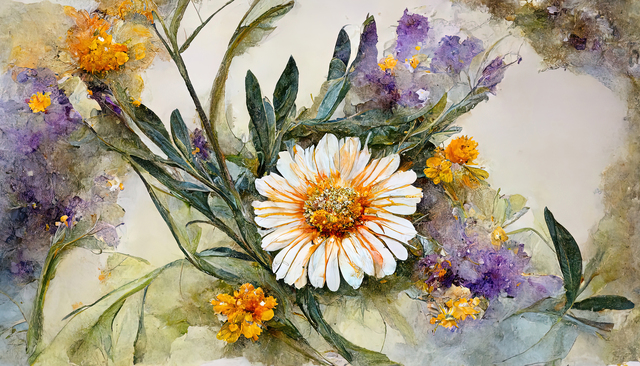
Are you curious about gouache? It’s a playful paint that feels a little like watercolor, but with a twist. It dries to a soft, velvety finish and gives you the freedom to layer, adjust, and even cover up little mistakes along the way.
Are you someone who’s wished watercolor could be a bit more forgiving? Gouache might be just what you’re looking for. It lets you paint light over dark, add highlights at the very end, and enjoy bold colors without the shine.
The best part is that you don’t need fancy supplies. A small set of paints, a few brushes, a cup of water, and watercolor paper you already have on hand are more than enough to begin.
In this guide, you’ll find simple ways to explore gouache, gentle techniques to try, and a few easy practice ideas to spark your creativity. Think of it as an invitation to play — no pressure, no perfection, just the joy of painting.
What is gouache?
Are you wondering what makes gouache different from the paints you may already know? Think of it as watercolor’s more opaque cousin. While watercolor is see‑through and delicate, gouache has a soft, solid look that can cover layers underneath.
It’s water‑based, so you’ll still be using your brushes, water, and paper the way you do with watercolor. The difference is in how it behaves: gouache dries quickly to a smooth, matte finish, which makes your colors look bold and even.
You can keep it light and transparent with more water, or use it thicker for strong, flat blocks of color. That flexibility is what makes gouache such a fun medium to play with — it can be soft and subtle, or bright and punchy, depending on your mood.
How gouache differs from watercolor and acrylics
Are you trying to figure out where gouache fits in with other paints you’ve heard of? The easiest way to think about it is this:
- Watercolor is transparent and delicate. Once it’s on the page, it usually stays there, and you work from light to dark.
- Acrylic is bold and permanent. Once it dries, it won’t budge, and you can paint on almost any surface.
- Gouache sits happily in the middle. It’s water‑based like watercolor, but it’s opaque like acrylic. And here’s the fun part: even when it’s dry, you can re‑wet it and make changes.
That means gouache is more forgiving than acrylic, and it gives you options that watercolor doesn’t always allow — like painting light colors over dark ones. It’s a flexible, playful medium that doesn’t lock you in.
Yes, gouache comes in colors
Gouache is available in a wide range of shades, from soft pastels to deep, vibrant tones. You can use them straight from the tube or mix them together, just like you would with watercolor.
If you already have watercolors, you don’t need to start over. By adding a touch of white gouache to your watercolor pigments, you can create a lighter, opaque version of the same color. This is a simple way to keep the hues you already love while gaining the smooth, even coverage that gouache provides.
It’s especially helpful for highlights, softer tints, or anytime you’d like your brushstrokes to stand out more clearly on the page.
What supplies do you need for gouache painting?
Getting started with gouache doesn’t require a big investment. In fact, many watercolorists already have most of what they need:
- Gouache paints — you can begin with a small set, or even just white gouache to mix with your watercolors.
- Brushes — the same brushes you use for watercolor will work perfectly well.
- Water — keep a jar or cup nearby for rinsing.
- Paper — watercolor paper is ideal, since it can handle the extra water without buckling.
That’s truly all you need to start. As you get more comfortable, you can always add more colors or experiment with different surfaces, but it isn’t necessary at the beginning.
Easy gouache techniques to try
Once you’ve gathered your supplies, here are a few approachable ways to explore gouache:
- Layering colors — Let one layer dry, then paint another color on top. Unlike watercolor, gouache makes it easy to place light over dark.
- Soft blending — While the paint is still wet, soften the edges with a damp brush. This works beautifully for skies, shadows, or gentle backgrounds.
- Adding highlights — Save your white gouache for the very end. A few touches can brighten a flower petal, a rim of a cup, or a sparkle on water.
- Wet‑on‑wet play — Drop fresh gouache into a damp area and watch the colors bloom together, much like watercolor.
These aren’t rules, just starting points. Think of them as small invitations to see how the paint responds.
Practice ideas for gouache
The best way to learn gouache is by painting simple, familiar things. A flower from your garden, a favorite mug, or a cloudy sky outside your window are all wonderful choices.
The Vault also comes with live coaching sessions, monthly painting challenges, weekly tips, and a private community — all designed to keep you supported and inspired as you grow.
Caring for your gouache paints and brushes
Gouache is easy to look after. Rinse your brushes in clean water when you’re finished, and close the paint tubes tightly so they don’t dry out. If you’ve left some paint on your palette, don’t worry — a little water will bring it back to life the next time you sit down to paint.
Whether you paint with gouache on its own or mix it with your watercolors, it’s a forgiving, playful medium. Take your time, enjoy the process, and let the colors brighten your painting sessions.