
Why Warm-Ups Matter More Than You Think
You know what I noticed about my students who paint with the most confidence? They’re not always the most experienced ones. They’re the ones who start every session the same way.
Are you one of those painters who sits down with a fresh piece of paper and immediately feels the pressure to create something beautiful? I see it in class all the time – that moment where someone picks up their brush and just… freezes. All that white paper staring back at them.
I was talking with Janet about this last week. She’s been painting with me for about six months, and she said something that really stuck with me: “I used to spend twenty minutes just staring at my paper, trying to decide what to paint. Now I don’t even think about it anymore.”
What changed wasn’t some new technique or fancy watercolor supplies. It was something incredibly simple: a five-minute warm-up she does every time she sits down to paint.
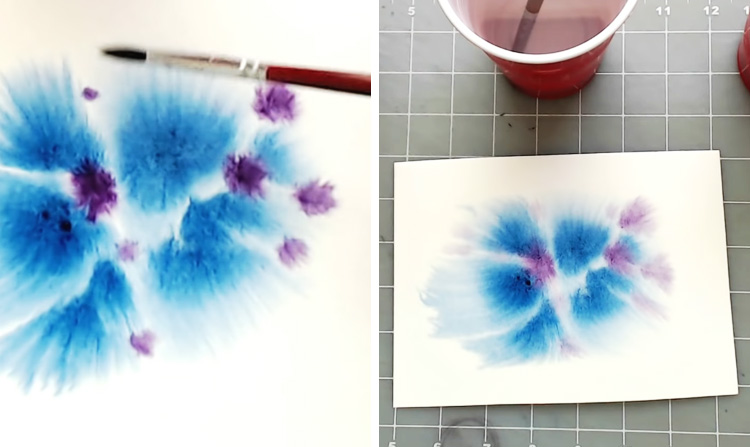
Janet’s warm-up couldn’t be more straightforward. She wets a small piece of scrap paper and drops in three colors – any three colors. She watches how they move, blend, and bleed into each other. Sometimes she tilts the page to see how the water flows. Sometimes she just sits and observes what happens when pigment meets water.
No pressure to make anything recognizable. No expectation of beauty. Just a few minutes of reconnecting with paint and paper.
“It’s like stretching before a walk,” Janet told me. “By the time I’m ready to start my actual painting, I’m not nervous anymore. My hand remembers how to hold the brush, and I remember that watercolor is supposed to be fun.”
The beautiful thing about Janet’s discovery is how it’s transformed her whole painting practice. She went from those twenty-minute staring contests with blank paper to diving right into her work. She stopped second-guessing every brushstroke before she even made it.
Simple Exercises You Can Try
What I love about watercolor warm-up exercises is how personal they can become. Janet does her color-dropping routine, but I have another student who simply paints three brushstrokes – a line, a curve, and a wave – just to get her hand moving. Takes maybe two minutes, and suddenly she’s painting instead of procrastinating.
There’s no single correct way to prepare for a watercolor painting session. What matters is that it’s familiar, easy, and repeatable. Something simple enough that you can’t fail at it.
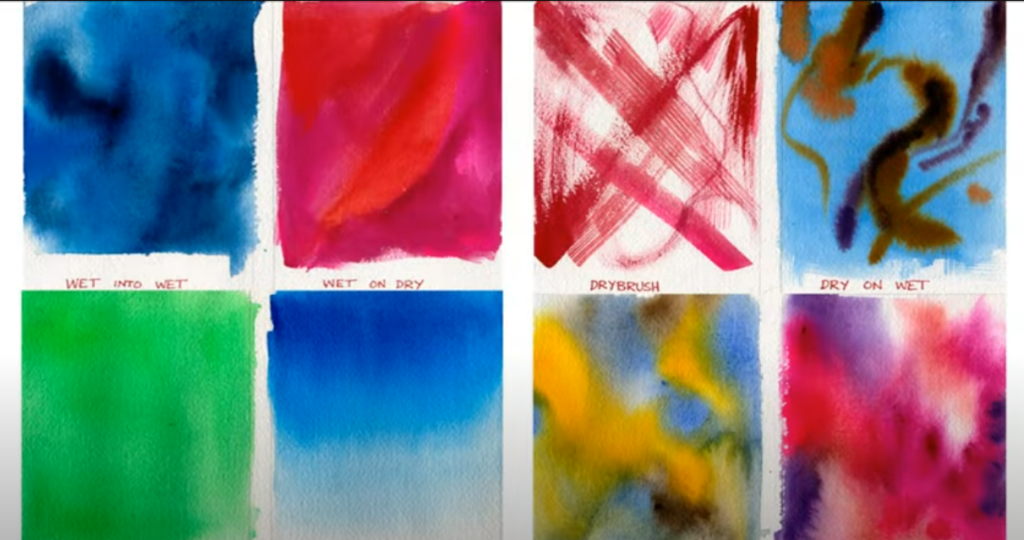
You might try dropping two or three colors onto wet paper and watching them blend. Or practice different types of brushstrokes – thin lines, thick washes, dry brush, wet brush. Maybe paint the same simple shape over and over, just to get your hand moving. Some painters like making tiny color charts, mixing just two pigments to see what they become together.
The goal isn’t to create something beautiful during these watercolor exercises. The goal is rhythm. Memory. Ease. You’re not trying to make art – you’re just reminding your body and mind how painting feels.
Are you thinking this sounds too simple to make a real difference? That’s exactly what Janet thought at first. But she told me something interesting last month: “I finish way more paintings now. Not because I got better at technique, but because I stopped being afraid to start.”
That’s the thing about warm-ups – they disconnect painting from pressure. Instead of sitting down thinking “What if I ruin this expensive paper?” you start thinking “Let’s see what happens when I put brush to paper.” It’s such a small shift, but it changes everything.
The painters in my classes who finish more work aren’t necessarily more skilled than the ones who struggle to complete pieces. They’re just more relaxed when they begin. They’ve learned that painting doesn’t have to start with anxiety and a blank page staring back at them.
Your warm-up can be whatever you need it to be. Some days it might be three simple brushstrokes. Other days it might be five minutes of letting watercolor bloom on wet paper. It might be mixing two colors just to remember how they interact, or practicing the same curved line until your wrist remembers the motion.
Whatever you choose, think of it as a bridge between your everyday mind and your creative space. Between the part of you that worries about making mistakes and the part that just wants to see what beautiful accidents might happen when water meets pigment.
I’ve watched this simple practice transform my students’ relationships with watercolor painting. Janet’s story isn’t unique – so many painters discover that those few minutes of play before the “real” painting begins changes everything about their creative sessions.
The Confidence Shift: From Pressure to Play
The beautiful thing about watercolor warm-up exercises is they work no matter what your skill level. Beginning painters build confidence through small successes. More experienced painters use them to settle into their creative rhythm. Everyone benefits from that gentle transition into painting mode.
If you’re someone who often feels stuck at the beginning of painting sessions, or if you find yourself avoiding your art supplies because starting feels overwhelming, I really want you to try this. Tomorrow, before you attempt to paint anything specific, spend just five minutes playing with watercolor on practice paper. Make some marks that don’t have to represent anything. Let yourself remember that painting is supposed to bring you joy, not stress.
Your warm-up routine will probably evolve over time. What feels right today might change next month, and that’s perfectly fine. The important thing is creating that gentle transition into your creative time, that moment of connection with your materials before you ask them to help you create something meaningful.
I promise you, those five minutes of warm-up exercises will make the next hour of painting feel completely different. Less pressure, more possibility. Less fear, more curiosity. Less “I hope I don’t mess this up” and more “I wonder what will happen if I try this.”